1989 was a key year for Deportivo Toluca FC, a team that had been a constant competitor in Mexican football but yearned for a title to solidify its legacy. In the league final, Toluca faced a Club América that was on a winning streak, making the task for the Diablos Rojos even more formidable. The setting was the Estadio Azteca, a venue that, while not their home, was loaded with history and pressure.
The first half of the match proved challenging, with Toluca trailing on the scoreboard. However, the team, led by its captain and star player, exhibited impressive tenacity. Despite the adverse circumstances, the Diablos Rojos did not allow themselves to be intimidated. The fervor of the fans, who had traveled from Toluca, was palpable in every corner of the stadium, pushing the team forward.
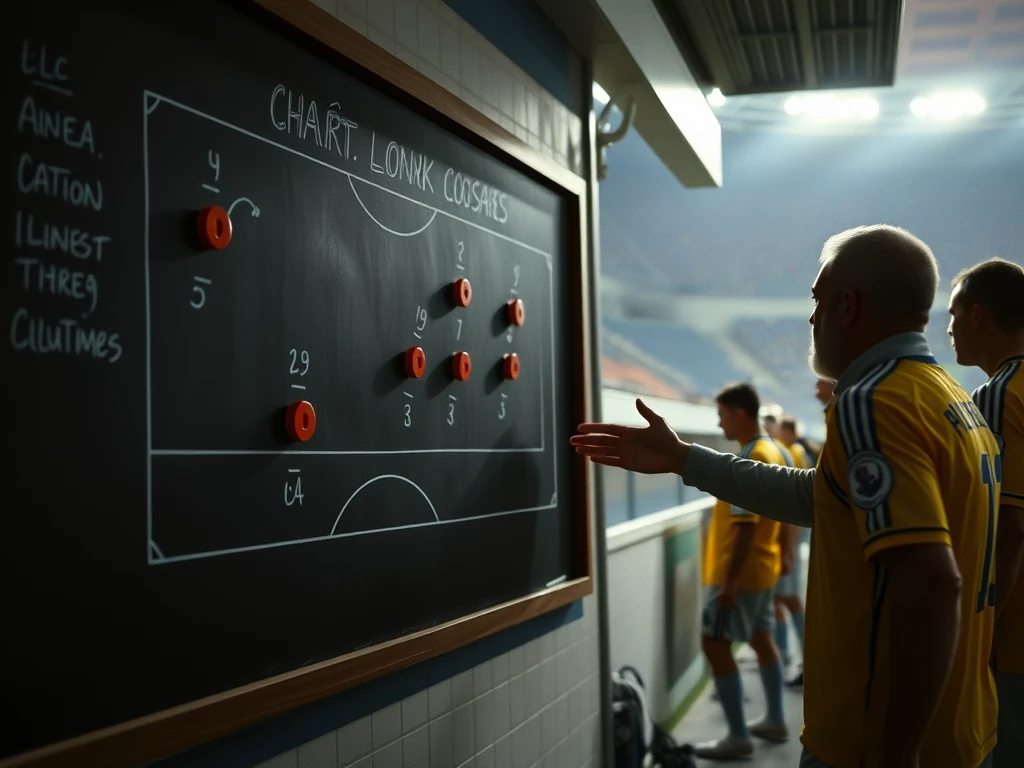
As the second half progressed, Toluca equalized the score, a moment that ignited hope in the hearts of their supporters. The coach's strategy to make tactical adjustments in midfield began to pay off, and the defense held strong against América's assaults. The team’s resilience was evident, and every pass and play felt like one step closer to glory.
Although they did not clinch the title that day, Toluca's performance in the 1989 final symbolized a shift in the club's mentality. The fans felt proud of their team, which showed it could compete at the highest level, even against seemingly unattainable rivals. This final became a reference point for what it means to be a Diablo Rojo: to fight until the last minute, never giving up.
Today, that story of resilience remains alive in the collective memory of the fans. Difficult moments forge a club's character, and the 1989 final is a sign of how Toluca seeks not only titles but also to build an identity of struggle and perseverance. It is a sign that even in adversity, the true spirit of Los Diablos Rojos shines brightly.