The Grandeur of Football in Toluca
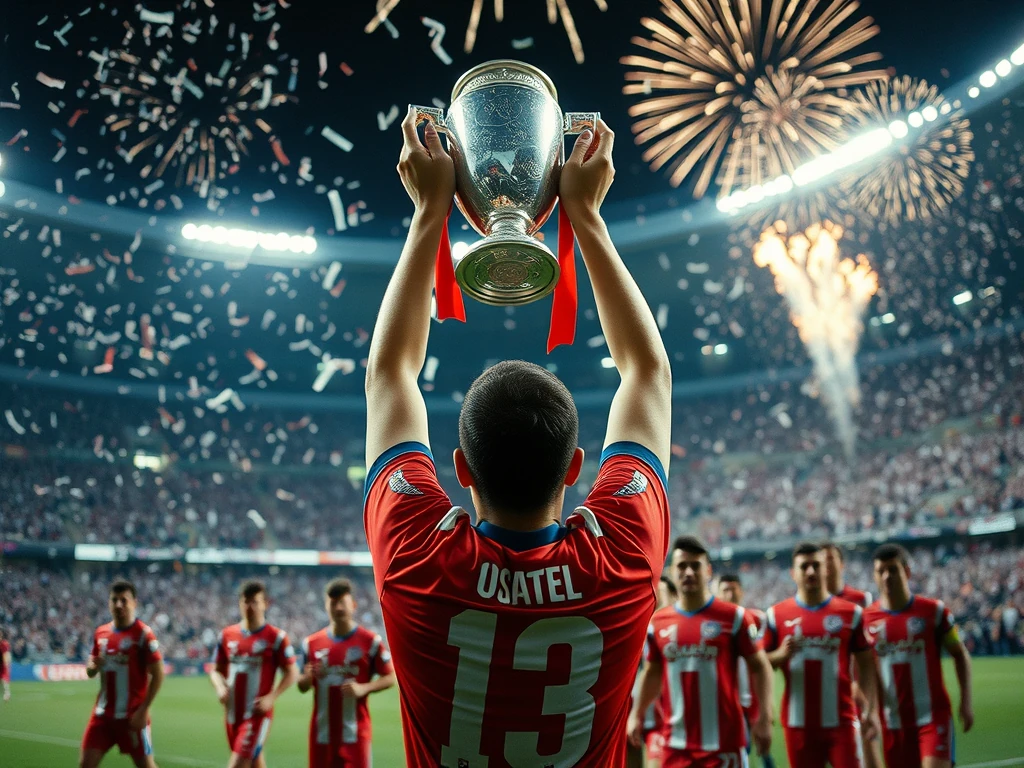
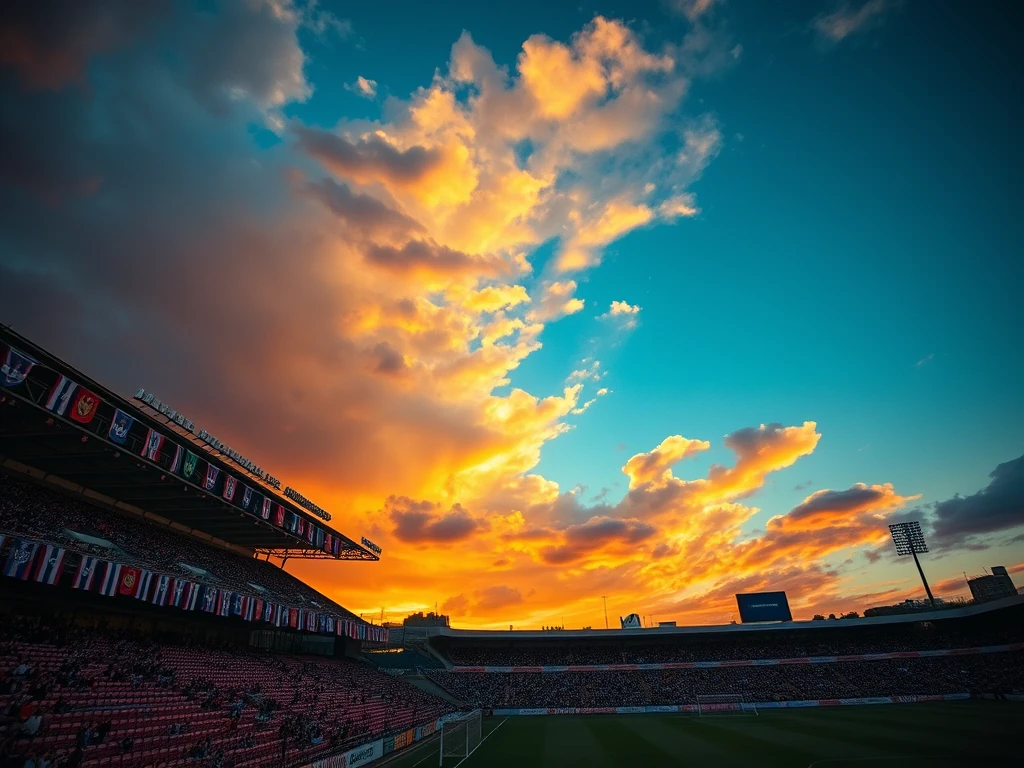
Estadio Nemesio Díez, home of Toluca FC, is more than just a sports venue; it's a sanctuary where love for football manifests in every match. The vibrant atmosphere, accentuated by chants and cheers, transforms this place into an epicenter of emotion. For fans, each match represents more than just a game; it's a celebration of their identity and passion for Los Diablos Rojos.
The history of Toluca FC is deeply intertwined with local culture. Since its founding in 1917, the club has forged a special relationship with the city and its inhabitants. This bond is reflected in the loyalty of the fans, who fill the stands of the stadium at every match, regardless of the team's performance.
Traditions that Define the Fans
The traditions of Toluca's fans are diverse, encompassing everything from pre-match rituals to post-match celebrations. Supporters often gather outside Estadio Nemesio Díez before games, sharing food and drinks, creating a festive atmosphere.
Some of the standout traditions include: - The chants: Every fan has a repertoire of songs that resonate in the stadium, uniting thousands of voices into one chorus. - The torch ritual: Before important matches, fans light torches as a symbol of their unwavering support. - The Toluca flag: A large flag that is waved by supporters, representing unity and pride in being part of Los Diablos Rojos.
These traditions are not only a way to cheer on the team but also foster a sense of community among supporters. Anyone who attends a match at Estadio Nemesio Díez doesn’t just watch football; they live a collective experience.
The Fans' Impact on Team Performance
The presence and support of fans at Estadio Nemesio Díez directly impact the team's performance. Toluca players have repeatedly mentioned how the electrifying atmosphere motivates them to give their best on the pitch. The intensity of the chants and constant support creates an environment that can influence match outcomes.
However, this pressure can also be a double-edged sword. Some critics argue that the high expectations of supporters can be overwhelming, especially in decisive matches. The pressure to perform in front of their fans can result in additional stress for players, affecting their performance in key moments.
The Community of Supporters: More Than a Club
The Toluca fan base is characterized by the closeness and mutual support among its members. Many fans are not only club supporters but also part of organized groups dedicated to promoting football culture in the city. These groups engage in community activities, such as donating to local causes, thereby becoming involved in the social life of Toluca.
The community of fans has also adapted to changes in modern football, using social media to connect with other supporters, share news, and organize events. This digital interaction has strengthened the sense of belonging, uniting fans who can't attend every match.
What this means for Toluca
The passion of Los Diablos Rojos fans is not only a pillar for the club but also acts as a driving force for the city’s development. The fanbase boosts tourism on match days, contributing to the local economy and fostering a rich, vibrant football culture.
The emotional connection fans have with the club translates into long-term commitment. This is reflected in consistent stadium attendance and merchandise purchases, which have become symbols of local pride. Undoubtedly, the loyalty of the fans is a key factor in the history and future of Toluca FC.
What's next for Toluca
With the season's end approaching, Toluca's fans are hopeful that the team can maintain solid performance. Upcoming matches are key for securing a place in the league playoffs. The pressure of the environment means that every match feels like a final, and fans will play a vital role in keeping team morale high.
Supporters of Los Diablos Rojos are ready to make their presence felt, ensuring that Estadio Nemesio Díez remains a fortress. The story of Toluca's fans is a sign of how love for football can unite a community and forge a shared identity.