
The 1990s marked the beginning of a transformation in Toluca, but it was from 1998 that the team truly took off. With the arrival of coach Américo Gallego, Los Diablos Rojos began to consolidate themselves as a powerhouse in the Primera División. The first major milestone of this era was the conquest of the league title in the Verano 1998, a championship that meant much more than just a trophy. It was the start of a series of triumphs that established Toluca as one of the most successful clubs in Mexican football history.
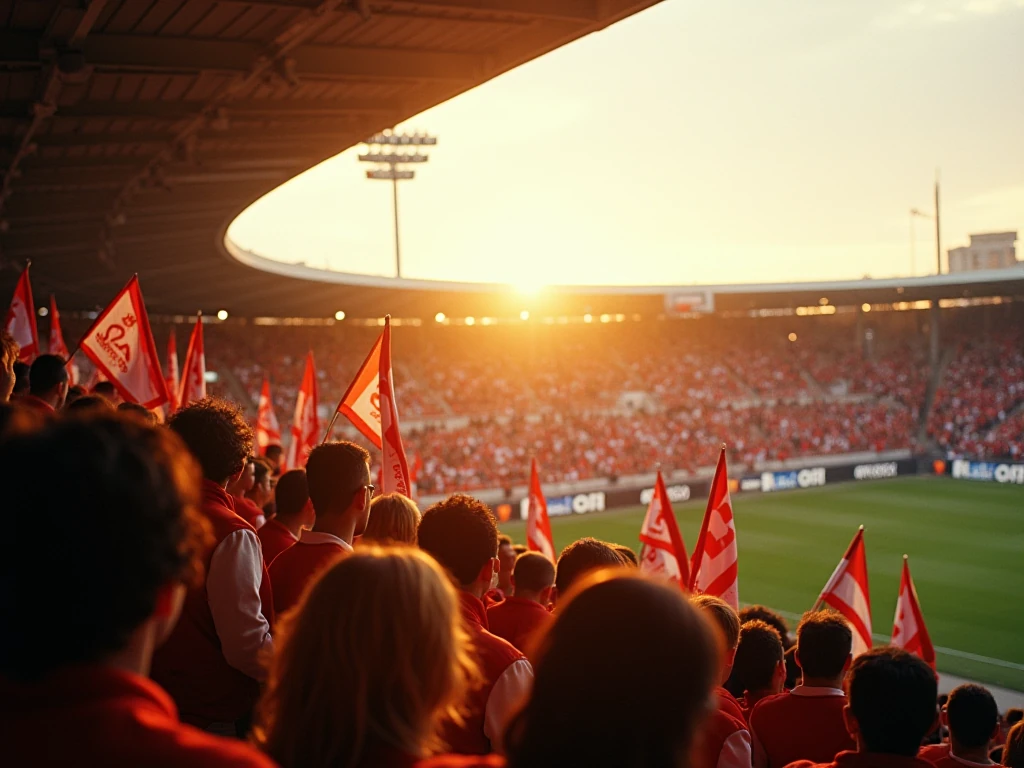
In Verano 1999, Toluca repeated the feat and became champions once again, with a team shining thanks to figures like "Chato" Rodríguez and the era's top scorer, Cuauhtémoc Blanco. This triumph not only added another trophy to the Estadio Nemesio Díez's shows but also reaffirmed the club's strength in the national league. The fans, always loyal, filled the stadium, creating an almost mystical atmosphere at every match.
The year 2000 witnessed another great victory for Toluca when they lifted the Copa Libertadores de América. This achievement was not only a historic milestone for the club but also catapulted Toluca onto the international stage, putting Los Diablos Rojos on the map of world football. The victory in this tournament marked a generation of players and fans, uniting the city in a celebration that endures to this day.
The golden era continued with successes in league tournaments, achieving further championships in 2002 and 2003. Each title represented not only a victory on the pitch but also a symbol of identity for the fans who have always stood by the team. The rivalry with Club América intensified during these years, with memorable matches that will be etched in the collective memory of the supporters.
However, it was not only about titles. This era was also characterized by the development and emergence of young talents who became legends of the club. Players like defender "Kikín" Fonseca and midfielder Rubens Sambueza proved that Toluca was not only a team of stars but also a place where the next icons of Mexican football were cultivated.
Today, as we remember this golden era, it is important to recognize not only the trophies but the legacy it left in the community and in the football culture of Toluca. The passion that Los Diablos Rojos evoke is a reflection of that rich and vibrant history, turning every match into a celebration of their legacy. The fans continue to hope that the club will again live moments like these, and in the meantime, the spirit of the golden era remains alive in every corner of Estadio Nemesio Díez.